
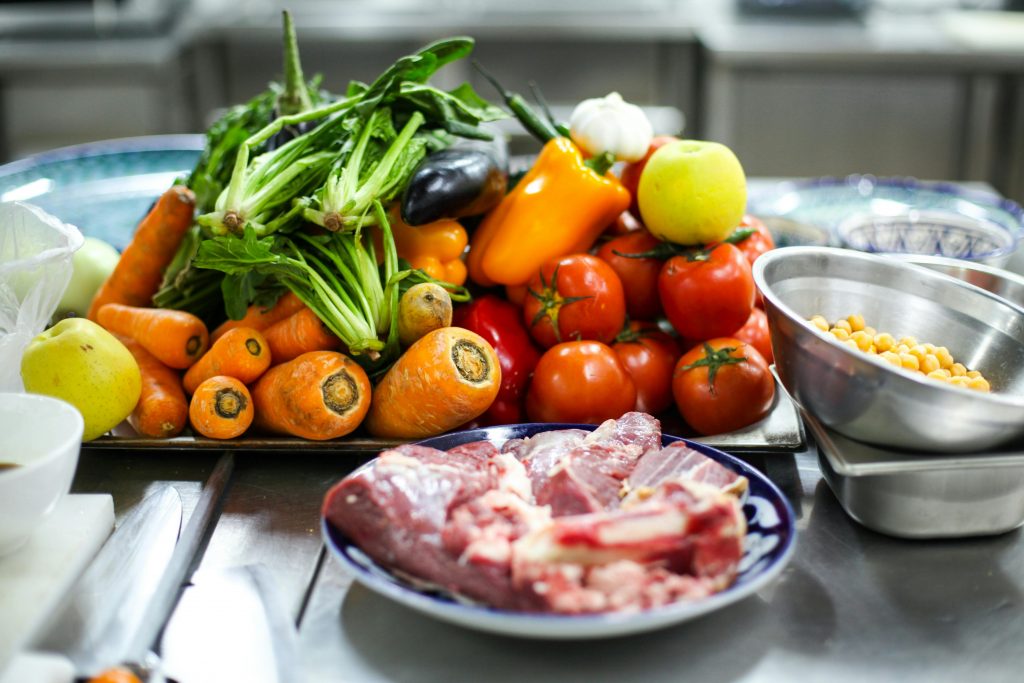
A simple, realistic guide to planning your meals without pressure, perfection, or overwhelm.
There is something strangely intimidating about the words meal plan. They sound organized, polished, and a little too adult. Like if you decide to start meal planning, you are suddenly expected to become the kind of person who owns matching glass containers, prep bowls of chopped vegetables on Sunday, and never once stares into the fridge wondering what went wrong.
That is not how it usually begins.
For most of us, the first meal plan starts out of frustration. You get tired of spending money on random grocery trips. You get tired of reaching 5 p.m. with no idea what dinner is. You get tired of buying healthy food with good intentions, only to watch it slowly expire in the produce drawer while you order takeout again. At some point, you realize you do not need to become a different person. You just need a little structure.
That is really what your first meal plan is: not a lifestyle makeover, not a perfection challenge, just a way to make your week feel a little easier.
The biggest mistake people make in the beginning is trying to plan like a fitness influencer instead of a real human being. They build a full week of ambitious breakfasts, lunches, dinners, and snacks without stopping to think about how they actually live. If your mornings are rushed, you probably are not going to start sautéing spinach and making egg muffins at 6 a.m. If you are exhausted by the evening, you are probably not going to feel inspired by a complicated dinner that uses every pan in the kitchen.
Your first meal plan should fit your real life, not your fantasy life.
That means being honest. Honest about how much time you have. Honest about what you like to eat. Honest about whether you are the type of person who can eat leftovers three days in a row or whether that idea makes you feel personally attacked. Meal planning gets easier when you stop trying to impress yourself and start trying to help yourself.
A good first step is to think less about recipes and more about rhythm. What do your days actually need from you? Maybe breakfast needs to be quick. Maybe lunch needs to be portable. Maybe dinner needs to be comforting because that is the one meal where you finally get to slow down. Once you understand the rhythm of your week, food starts to feel less random.
It also helps to start with meals you already know you enjoy. Your first meal plan is not the time to test seven brand-new dishes that require ingredients you cannot pronounce. It is the time to lean on familiar favorites. Maybe that means grilled chicken with rice and vegetables, tacos one night, pasta another, yogurt and fruit for breakfast, sandwiches for lunch, or a soup that gives you leftovers. There is no prize for making meal planning harder than it needs to be.
One of the most freeing things to realize is that a meal plan does not need a lot of variety to work. We tend to think repetition means boredom, but sometimes repetition is exactly what saves us. Using the same protein in a few different ways, repeating a breakfast you enjoy, or building two lunches from the same grocery trip can make the week feel manageable. You are not building a restaurant menu. You are trying to feed yourself without the daily stress spiral.
And that stress spiral is real. It is not always about food. Sometimes it is about decision fatigue. When you have already made a hundred decisions in a day, figuring out what to eat can feel bigger than it should. A meal plan quietly removes some of that pressure. It gives you fewer moments of standing in the kitchen hoping an answer appears. It gives your future self something to lean on.
Of course, your first meal plan probably will not go exactly as expected. Life interrupts. Plans change. You end up eating out one night, skipping breakfast another, or deciding you absolutely do not want the dinner you wrote down on Tuesday. That does not mean you failed. It means you are a person, not a robot.
The goal of a meal plan is not to trap you. It is to guide you.
That mindset matters, because the most successful meal plans leave room for flexibility. Maybe you plan four dinners instead of seven. Maybe you keep one “easy night” in your back pocket with something simple like frozen pizza, rotisserie chicken, or sandwiches. Maybe you buy ingredients that can stretch into more than one option, just in case your mood changes. Flexibility is not cheating. It is wisdom.
There is also something quietly encouraging about shopping with a plan. You walk into the store with more confidence. You stop tossing random things into the cart because they looked healthy in the moment. You buy with purpose. You notice what you actually use. Over time, you learn your patterns. You discover what keeps you full, what saves time, what feels comforting, and what just sits untouched in the fridge. Meal planning teaches you about yourself if you let it.
And maybe that is why setting up your first meal plan can feel bigger than it sounds. It is not just about food. It is about taking care of yourself in advance. It is about making one thoughtful decision today that will make tomorrow less chaotic. That is a small kind of kindness, but it matters.
So if you are setting up your first meal plan, let it be simple. Let it be imperfect. Let it look a little ordinary. Choose meals you know, leave room for real life, and remember that the best plan is not the fanciest one. It is the one you will actually use.
That is how it starts.
Not with perfection. Not with color-coded containers and impossible standards.
Just with the quiet decision to make life a little easier, one meal at a time.